Blog
Home Decor: Transforming Your House into a Personal Sanctuary


Article Outline
- Home Decor: Transforming Your House into a Personal Sanctuary
- Understanding Your Personal Style
- Minimalist Style
- Modern Style
- Bohemian Style
- Traditional Style
- The Psychology of Colors in Home Decor
- Warm Colors
- Cool Colors
- Neutral Tones
- Furniture Selection: Function Meets Aesthetics
- Choosing the Right Sofa
- Multi-Functional Furniture
- Living Room Decor Ideas That Wow
- Bedroom Decor: Creating a Relaxing Retreat
- Kitchen Decor: Style Meets Practicality
- Bathroom Decor: Small Space, Big Impact
- Lighting: The Game Changer in Home Design
- Natural Lighting
- Artificial Lighting Layers
- Wall Decor: Beyond Paint and Wallpaper
- Flooring and Rugs: The Foundation of Style
- Decorating Small Spaces Smartly
- Seasonal Home Decor Updates
- Budget-Friendly Home Decor Tips
- Sustainable and Eco-Friendly Home Decor
- DIY Home Decor Projects
- Common Home Decor Mistakes to Avoid
- Conclusion
- FAQs
Home Decor: Transforming Your House into a Personal Sanctuary
Walk into your home and ask yourself one simple question: does it feel like you? Not just a place where you eat and sleep, but a space that wraps around you like your favorite hoodie. That’s what home decor is really about. It’s not about copying Pinterest boards or chasing every new trend on Instagram. It’s about turning four walls and a roof into a personal sanctuary that tells your story.
Home decor blends creativity, functionality, and emotion. Every piece of furniture, every splash of color, every light fixture adds a layer to the atmosphere. Think of your home as a canvas, and you’re the artist. You get to decide whether it’s bold and dramatic, soft and calming, or a playful mix of both. The beauty is in the freedom.
But here’s the catch: decorating a home can feel overwhelming. Where do you start? With furniture? Paint? Lighting? The truth is, great home decor isn’t built overnight. It’s layered over time, like a well-crafted novel. You add chapters slowly textures, patterns, accents until the whole story makes sense.
In this guide, we’re diving deep into everything you need to know about home decor. From understanding your style to choosing the right lighting, from budget-friendly tricks to sustainable choices, you’ll learn how to create a home that feels authentic and inviting. Ready to transform your space? Let’s get started.
Understanding Your Personal Style

Before you buy a single cushion or repaint a wall, pause for a second. What’s your style? This might sound simple, but it’s where most people get stuck. They jump straight into shopping without knowing what direction they’re heading. That’s like going on a road trip without a map you’ll move, but you won’t necessarily reach your dream destination.
Your personal style reflects your personality. Are you someone who thrives in calm, clutter-free spaces? Minimalism might speak to you. Do you love clean lines and sleek finishes? Modern decor could be your match. Maybe you adore vibrant colors, layered textures, and a slightly carefree vibe. That’s pure bohemian energy. Or perhaps you feel at home surrounded by rich wood tones and classic furniture. Traditional style might be calling your name.
Here’s a practical way to figure it out:
- Look at your wardrobe. Your clothing style often mirrors your decor taste.
- Save images of rooms you love and notice patterns.
- Pay attention to how certain spaces make you feel.
The key is consistency. Once you identify your core style, stick to it as your foundation. That doesn’t mean you can’t mix elements, but having a base prevents your home from feeling chaotic.
Think of your decor style as the rhythm of a song. Everything else furniture, lighting, accessories should dance to that beat. When your home aligns with your personality, it doesn’t just look good. It feels right.
The Psychology of Colors in Home Decor
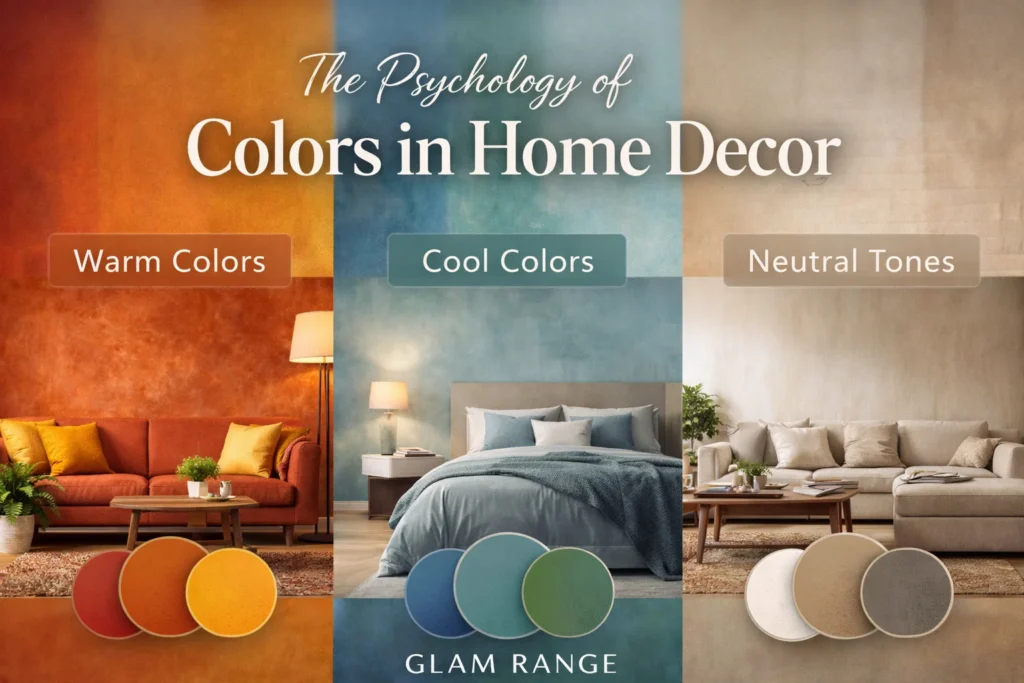
Color isn’t just decoration it’s emotion painted on walls. The shades you choose can energize you, calm you, or even make you feel hungry. That’s the power of color psychology in home decor.
Let’s break it down.
Warm Colors
Warm tones like red, orange, and yellow bring energy and warmth into a space. They’re bold, attention-grabbing, and perfect for social areas like living rooms and dining spaces. Imagine walking into a room painted in a soft terracotta shade. It instantly feels cozy, right? That’s because warm colors mimic sunlight and fire natural sources of comfort.
However, too much intensity can overwhelm a space. The trick is balance. Use warm colors as accents throw pillows, artwork, or an accent wall rather than covering every surface.
Cool Colors
Blues, greens, and purples create a calming atmosphere. That’s why bedrooms and bathrooms often feature these shades. A soft blue bedroom can feel like a deep breath after a long day. Cool colors visually expand a space, making small rooms feel larger and airier.
But here’s something interesting: cool colors can sometimes feel distant if overused. Pair them with warm lighting or wooden textures to add balance.
Neutral Tones
Neutrals white, beige, gray, taupe are the backbone of modern home decor. They’re versatile and timeless. Think of neutrals as the stage, while your furniture and decor pieces are the performers. They allow everything else to shine.
A smart strategy? Use the 60-30-10 rule:
- 60% dominant color (usually neutral)
- 30% secondary color
- 10% accent color
Color choices shape the mood of your home more than anything else. Choose wisely, and you’ll create spaces that not only look beautiful but also feel exactly how you want them to.
Furniture Selection: Function Meets Aesthetics
Furniture isn’t just something you sit or sleep on. It’s the backbone of your home decor. The wrong piece can throw off an entire room, while the right one can tie everything together like magic.
The first rule? Function comes first. It doesn’t matter how stunning a sofa looks if it’s uncomfortable. Your home is for living, not just for show. Start by thinking about your daily routines. Do you host guests often? Invest in a spacious sectional. Live in a small apartment? Multi-functional furniture is your best friend.
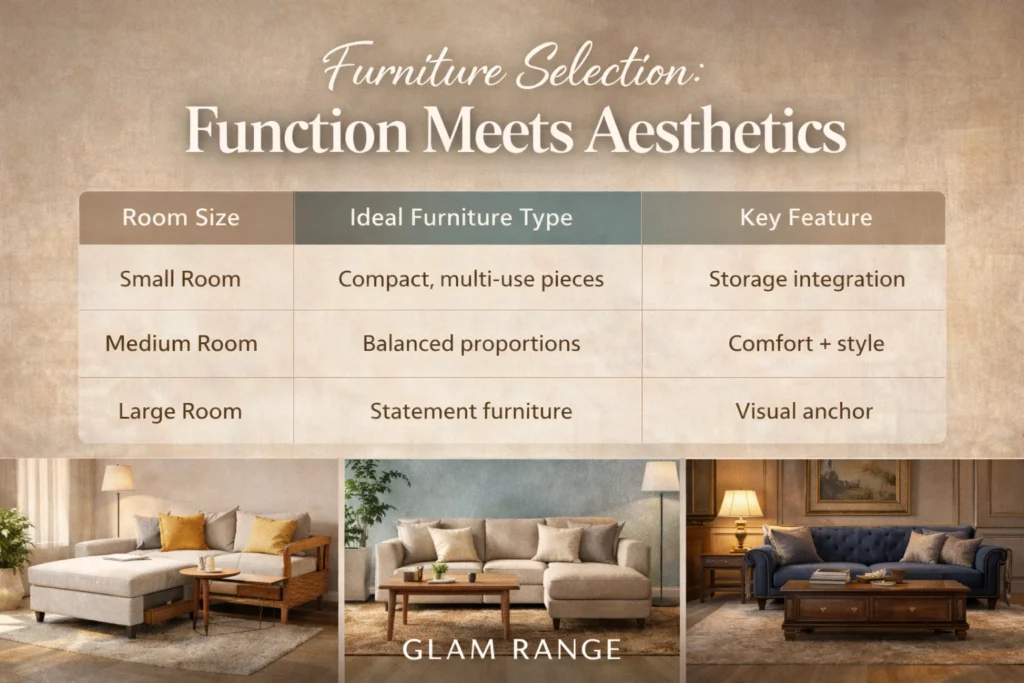
Here’s a quick comparison table to guide you:
| Room Size | Ideal Furniture Type | Key Feature |
|---|---|---|
| Small Room | Compact, multi-use pieces | Storage integration |
| Medium Room | Balanced proportions | Comfort + style |
| Large Room | Statement furniture | Visual anchor |
When choosing furniture, scale matters. Oversized pieces can suffocate a small room, while tiny furniture can look lost in a large space. Measure everything twice.
Material also plays a huge role. Wooden furniture adds warmth. Metal and glass feel modern. Upholstered pieces add softness and texture. Mixing materials creates depth and visual interest.
And don’t forget flow. Your furniture arrangement should allow easy movement. No one wants to zigzag around a coffee table just to reach the couch.
Ultimately, great furniture balances beauty and practicality. It should support your lifestyle while enhancing your decor style. When you strike that balance, your home starts to feel effortlessly put together.
Living Room Decor Ideas That Wow
The living room is where life happens. Movie nights, conversations, lazy Sundays it’s the heart of the home. So why not make it unforgettable?
Start with a focal point. Every well-designed living room has one. It could be a fireplace, a bold piece of artwork, or even a statement sofa. This is where the eye naturally lands when someone walks in.
Layering is key. Think of your living room like an outfit. You wouldn’t just wear a shirt and call it a day, right? Add texture with throw blankets, dimension with layered lighting, and personality with decorative objects.
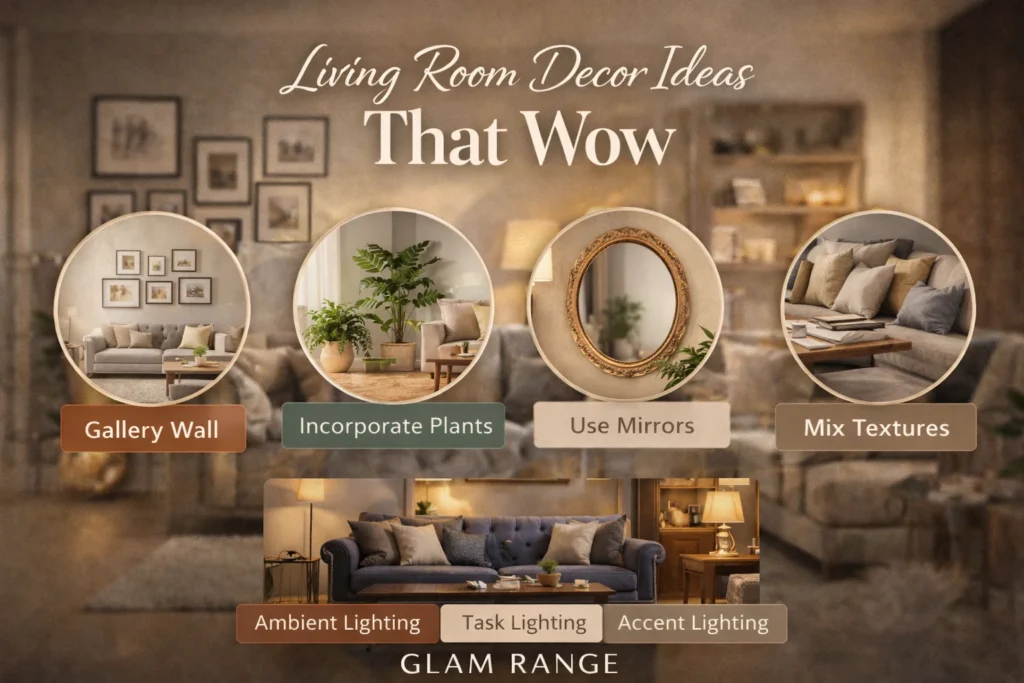
Here are a few impactful ideas:
- Add a gallery wall to showcase art or family photos.
- Incorporate plants for a fresh, lively vibe.
- Use mirrors to reflect light and make the space feel larger.
- Mix textures like velvet cushions, wooden tables, and metal accents.
Lighting deserves special attention. Combine:
- Ambient lighting (ceiling fixtures)
- Task lighting (reading lamps)
- Accent lighting (LED strips or spotlights)
Rugs also anchor the space. Make sure your rug is large enough so at least the front legs of your furniture sit on it. A tiny rug can make even the most stylish living room look awkward.
And finally, don’t overcrowd. Negative space is powerful. It allows your decor to breathe and keeps the room from feeling cluttered.
A well-decorated living room doesn’t scream for attention. It invites you in and makes you want to stay. That’s the real wow factor.
Bedroom Decor: Creating a Relaxing Retreat
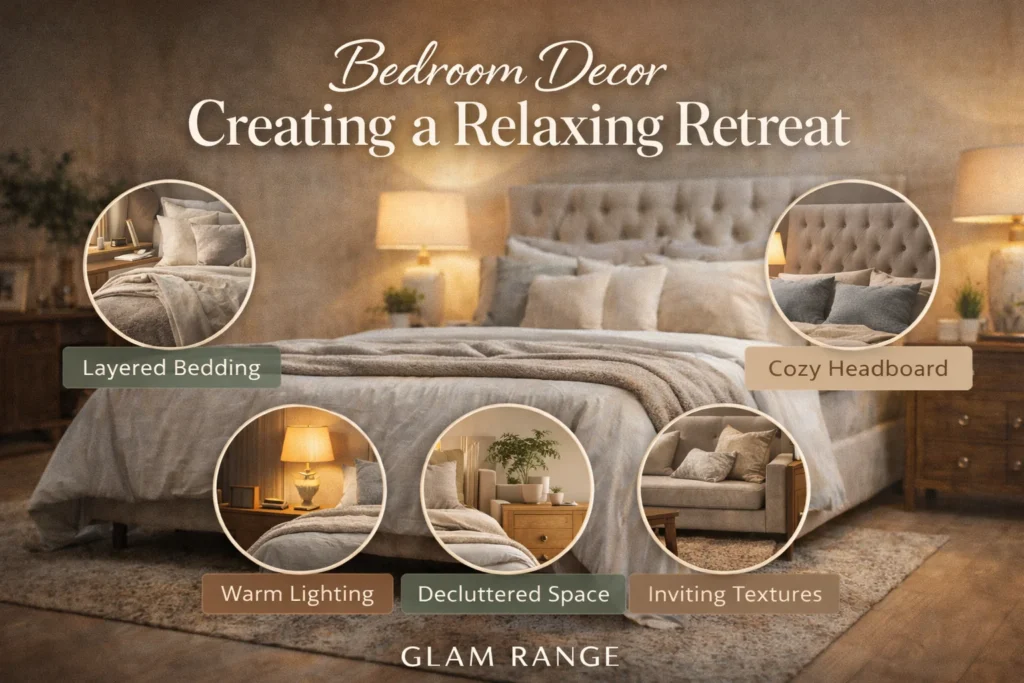
Your bedroom isn’t just another room. It’s your escape hatch. After a long, exhausting day, this is where you land. So why does it sometimes feel like a storage unit with a bed in the middle? Let’s fix that.
Bedroom decor should revolve around one thing: comfort. Not flashy trends. Not what’s popular online. Comfort. Think soft lighting, layered bedding, calming colors, and minimal clutter. Your brain needs cues that say, “It’s safe to relax now.”
Start with the bed. It’s the star of the show. Invest in quality bedding high-thread-count sheets, a supportive mattress, plush pillows. Layer it like a luxury hotel:
- Fitted sheet
- Flat sheet
- Duvet or comforter
- Throw blanket
- Accent pillows
This layering adds visual depth and physical coziness. Next, focus on the headboard. A tufted fabric headboard brings softness. A wooden one adds warmth. Even a painted accent wall can serve as a visual anchor.
Lighting is crucial here. Harsh overhead lighting kills the mood. Use bedside lamps, wall sconces, or warm LED strips. Soft yellow-toned bulbs create a relaxing glow that whispers instead of shouts.
Declutter ruthlessly. Nightstands should hold only essentials maybe a lamp, a book, and a small plant. Too many items create mental noise.
Textures matter more than you think. Mix cotton, linen, velvet, and wood. A woven rug under your feet in the morning? Game changer.
Your bedroom should feel like a deep breath. When you walk in, your shoulders should drop automatically. That’s when you know you’ve nailed it.
Kitchen Decor: Style Meets Practicality
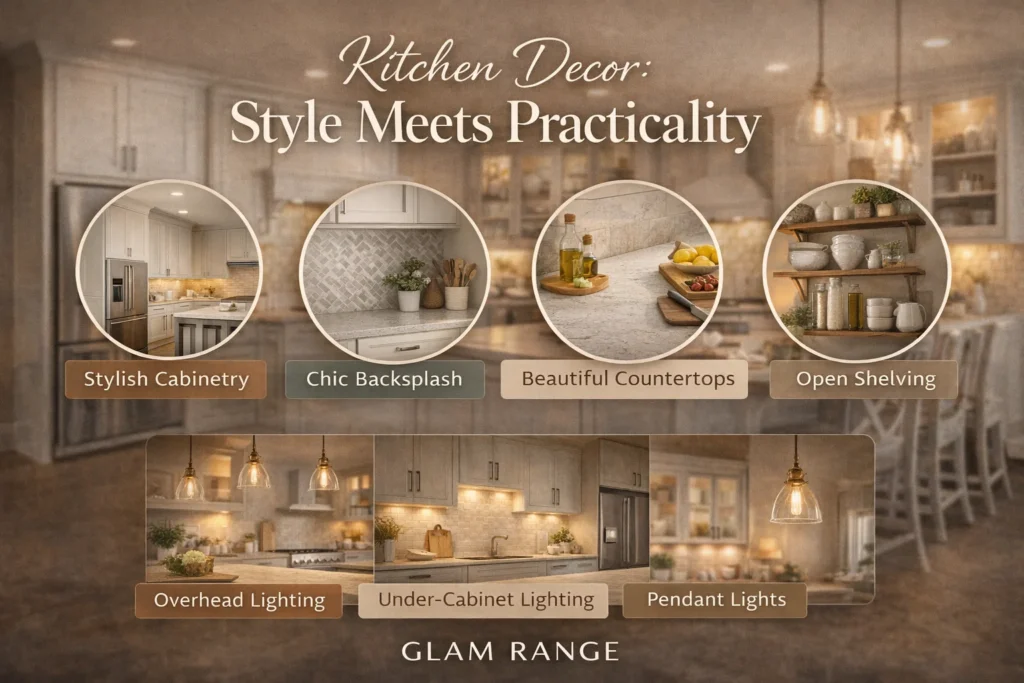
The kitchen is where design meets daily life. It’s not just about cooking it’s about conversations over coffee, midnight snacks, and quick breakfasts before rushing out the door. So it needs to look good and work hard.
Start with cabinetry. Cabinets dominate the kitchen visually. Neutral tones like white, beige, or soft gray create a clean foundation. Want drama? Deep navy or forest green cabinets can add personality without overwhelming the space.
Backsplashes are your secret weapon. They’re small in area but big in impact. Subway tiles are timeless. Patterned tiles bring character. Even peel-and-stick options can refresh your kitchen on a budget.
Countertops matter both visually and functionally. Quartz and granite are durable and stylish. Butcher block adds warmth. Choose something that fits your lifestyle, not just your aesthetic.
Open shelving has become popular and for good reason. It creates an airy feel and lets you display beautiful dishes or plants. But here’s the catch: it demands organization. Cluttered shelves ruin the effect.
Lighting again plays a starring role. Combine:
- Overhead lighting
- Under-cabinet lighting
- Pendant lights over islands
This layered approach makes your kitchen feel dynamic instead of flat.
Don’t forget small details:
- Matching hardware (handles and knobs)
- Stylish bar stools
- Coordinated dishware
- A statement fruit bowl
A well-decorated kitchen feels alive. It invites you to cook, experiment, and gather. It’s where practicality shakes hands with personality.
Bathroom Decor: Small Space, Big Impact
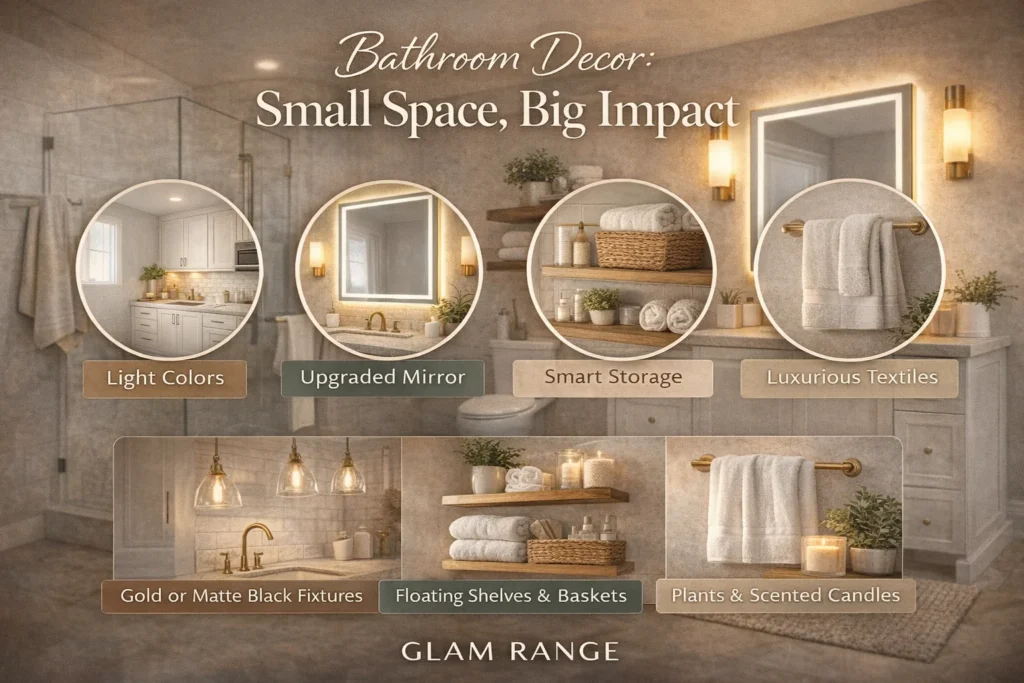
Bathrooms are often overlooked. They’re usually small, functional, and easy to ignore. But here’s the truth: a well-decorated bathroom feels like a mini spa. And who doesn’t want that?
Start with color. Light shades make small bathrooms feel larger. Soft whites, pale grays, or muted blues work beautifully. If you’re feeling bold, try a dramatic wallpaper on one wall for instant character.
Mirrors are magic. A large mirror reflects light and visually doubles the space. Consider backlit mirrors for a modern, luxurious touch.
Storage is essential. Floating shelves, baskets, and vanity organizers keep clutter hidden. Nothing ruins bathroom decor faster than toiletries scattered everywhere.
Upgrade your textiles. Fluffy towels, a stylish shower curtain, and a textured bath mat instantly elevate the space. Choose cohesive colors to maintain harmony.
Add life with plants. Yes, even bathrooms can host greenery. Low-light plants like snake plants or pothos thrive here.
Swap out small hardware pieces:
- Cabinet handles
- Faucets
- Towel bars
Matte black or brushed gold finishes can dramatically modernize the space without a full renovation.
Scent matters too. Candles or diffusers add a sensory layer to your decor. Remember, decor isn’t just visual it’s experiential.
Your bathroom might be small, but with the right decor choices, it can feel like a five-star retreat.
Lighting: The Game Changer in Home Design
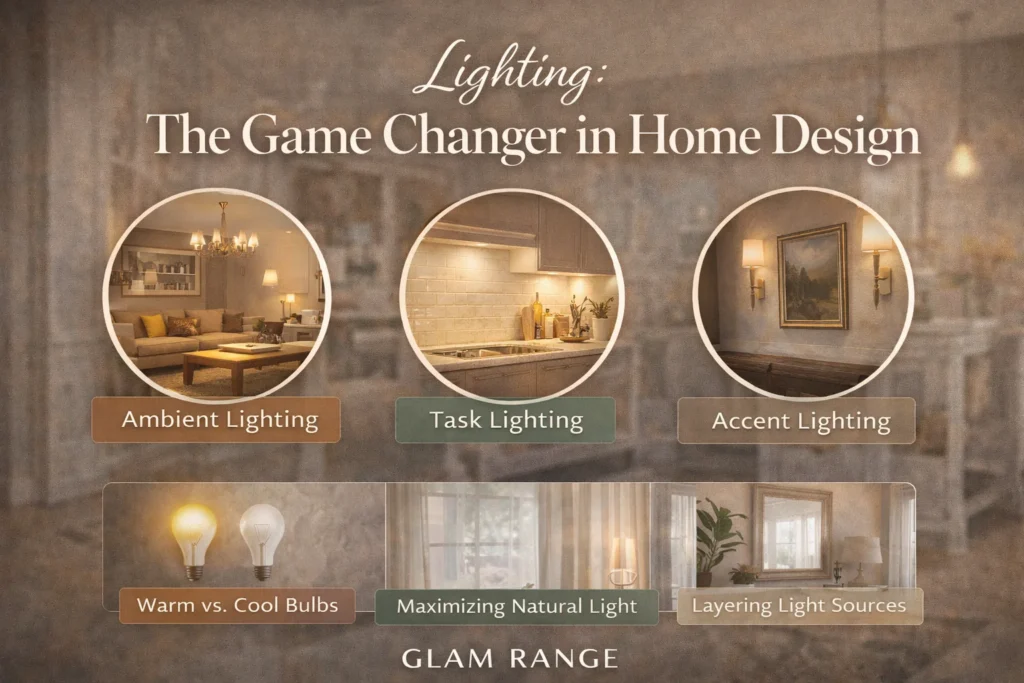
If decor is the body, lighting is the soul. You can have stunning furniture and perfect colors, but poor lighting will flatten everything. Good lighting transforms ordinary rooms into extraordinary experiences.
There are three main layers:
Ambient Lighting
This is your general lighting ceiling fixtures, chandeliers, recessed lights. It sets the overall brightness level. Think of it as the base layer.
Task Lighting
Task lighting focuses on specific activities. Desk lamps, reading lights, under-cabinet kitchen lights. These are functional and targeted.
Accent Lighting
Accent lighting creates drama. LED strips, wall sconces, spotlights highlighting artwork. This is where magic happens.
Natural light is equally important. Maximize it with sheer curtains and strategically placed mirrors. The more daylight, the better the mood.
Warm vs. cool bulbs also matter. Warm light feels cozy. Cool light feels crisp and modern. Choose based on the room’s purpose.
Lighting isn’t just practical it’s emotional. Dim lights create intimacy. Bright lights energize. Layer them thoughtfully, and your home instantly feels more sophisticated.
Wall Decor: Beyond Paint and Wallpaper
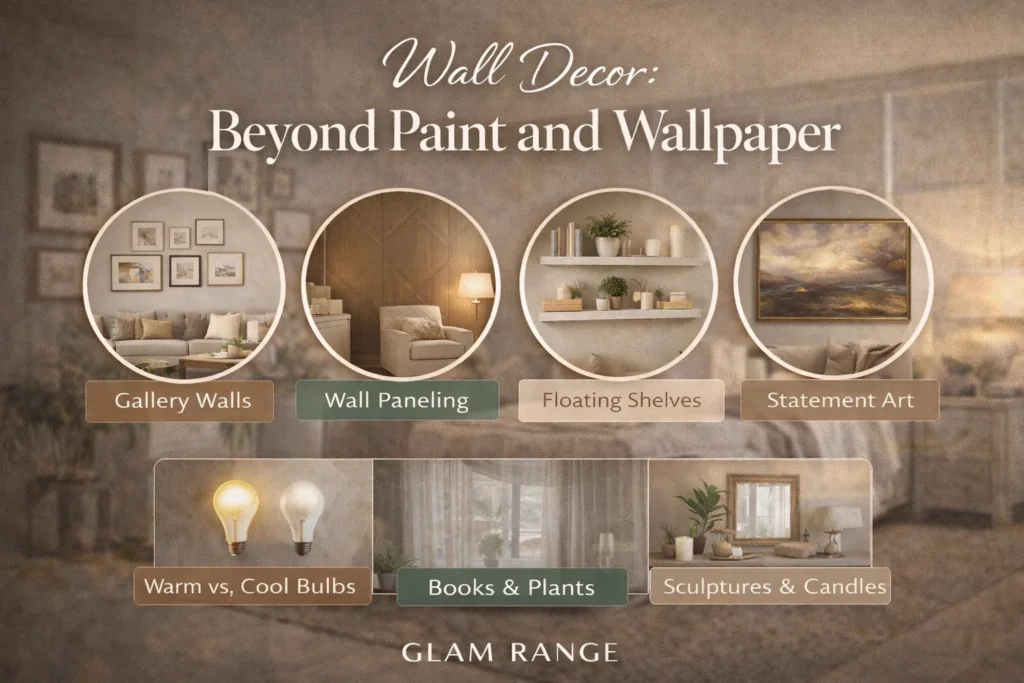
Blank walls are missed opportunities. They’re like empty pages waiting for your story.
Gallery walls are a classic choice. Mix frames of different sizes for a curated look. Combine art prints, personal photos, and even mirrors for dimension.
Wall paneling is making a comeback. Wainscoting, shiplap, or geometric wood panels add architectural interest. It’s subtle but powerful.
Floating shelves are both decorative and functional. Style them with:
- Books
- Plants
- Sculptures
- Candles
Statement art can anchor a room. One oversized piece often works better than multiple small ones.
Even textured paint techniques can elevate a wall limewash finishes or subtle ombré effects add depth.
Walls should reflect who you are. Travel photos, handmade art, meaningful quotes these details turn a house into a home.
Flooring and Rugs: The Foundation of Style
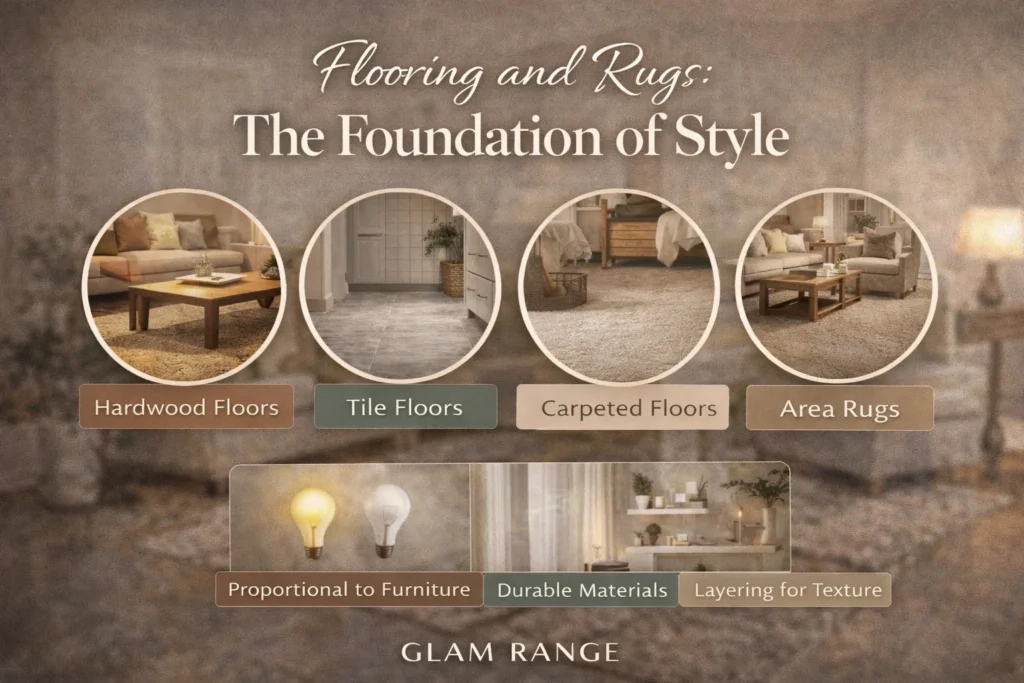
Floors don’t always get attention, but they set the tone for everything else. Hardwood floors bring warmth and timeless appeal. Tiles offer durability and easy maintenance. Carpets provide softness and insulation.
Rugs are the real design heroes. They define zones, especially in open-concept spaces. A large area rug can visually separate your living area from your dining space.
When choosing a rug:
- Ensure it’s proportional to your furniture
- Pick durable materials for high-traffic areas
- Layer rugs for added texture
Patterns can add personality, while neutral rugs keep things grounded.
Flooring anchors your decor. It’s literally the base layer of your design story.
Decorating Small Spaces Smartly
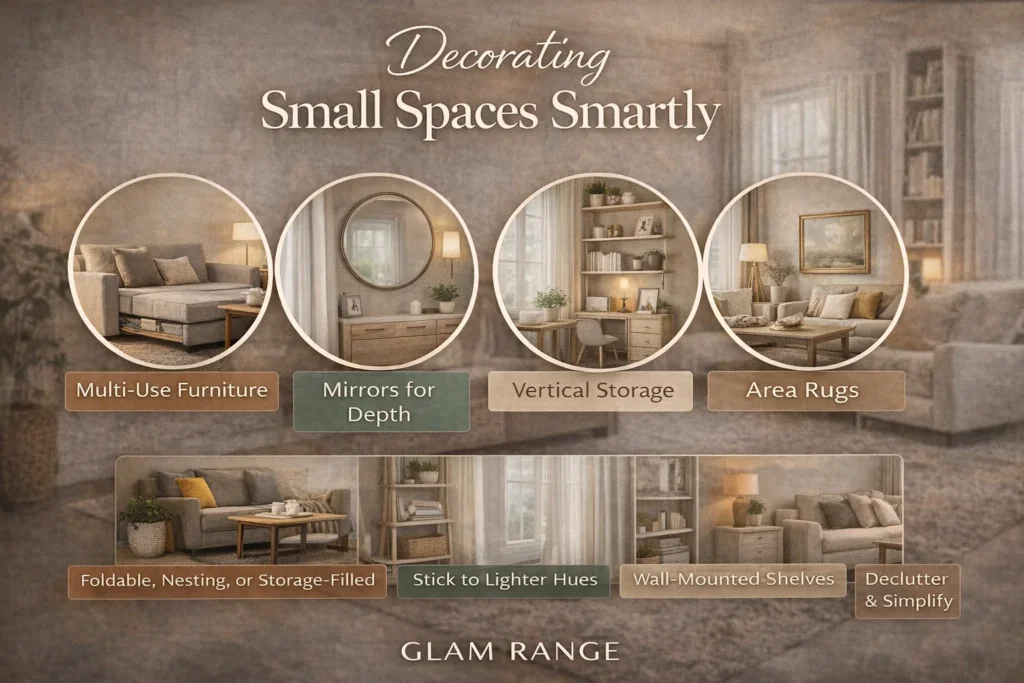
Small spaces demand creativity. Every inch counts.
Use multi-functional furniture beds with storage, foldable desks, nesting tables. Mirrors create the illusion of space. Vertical storage maximizes walls instead of floors.
Stick to lighter color palettes to keep the space airy. Avoid bulky furniture. Think sleek and compact.
Decluttering is non-negotiable. In small homes, less truly is more.
A small space, when decorated thoughtfully, can feel cozy instead of cramped.
Seasonal Home Decor Updates
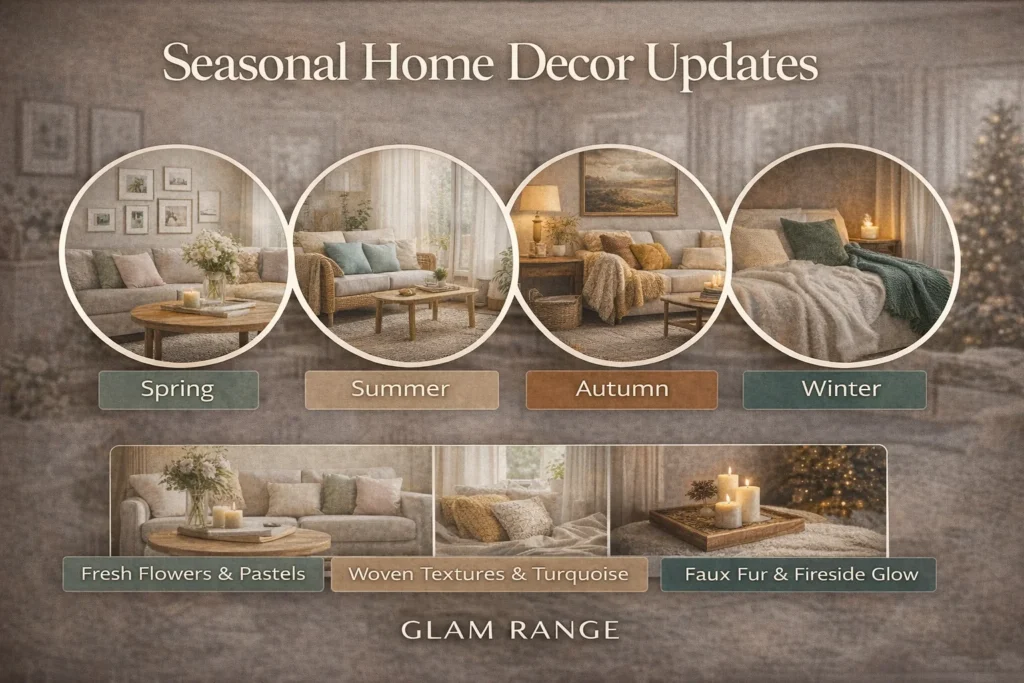
Have you ever noticed how your mood shifts with the seasons? Summer feels light and carefree, autumn feels warm and nostalgic, winter calls for comfort, and spring practically begs for freshness. Your home should reflect those emotional shifts. Seasonal home decor isn’t about completely redesigning your space four times a year. It’s about subtle, intentional updates that keep your home feeling alive and in sync with nature.
Let’s start with spring. Think renewal. Swap out heavy fabrics for breathable linens and cotton. Introduce fresh flowers, pastel cushions, and lighter color accents. Even something as simple as changing your throw pillow covers can instantly brighten a room. Add floral arrangements or botanical prints to echo the energy outside your windows.
Summer decor is all about airiness. Sheer curtains, woven textures, rattan furniture, and pops of turquoise or coral can transform your space into a breezy retreat. You want your home to feel like it’s on vacation even if you’re not. Lightweight rugs and minimal layering help maintain that open, breathable vibe.
Autumn invites warmth. This is when you bring out chunky knit blankets, earthy tones like rust and mustard, and candles that glow softly at night. Texture becomes your best friend. Layered rugs, wooden accents, and warm lighting create that cozy, fireside atmosphere even if you don’t have a fireplace.
Winter? It’s all about comfort and glow. Deep jewel tones, faux fur throws, metallic accents, and layered lighting create intimacy. Add soft area rugs and heavier drapes to make rooms feel insulated and snug.
Seasonal decor works because it prevents visual fatigue. Instead of your home feeling static and predictable, it evolves. And the best part? Most updates are small and affordable. Rotate accessories instead of replacing furniture. Store off-season items neatly and bring them back when the time feels right.
Your home should breathe with the seasons. When it does, it feels dynamic, thoughtful, and beautifully intentional.
Budget-Friendly Home Decor Tips
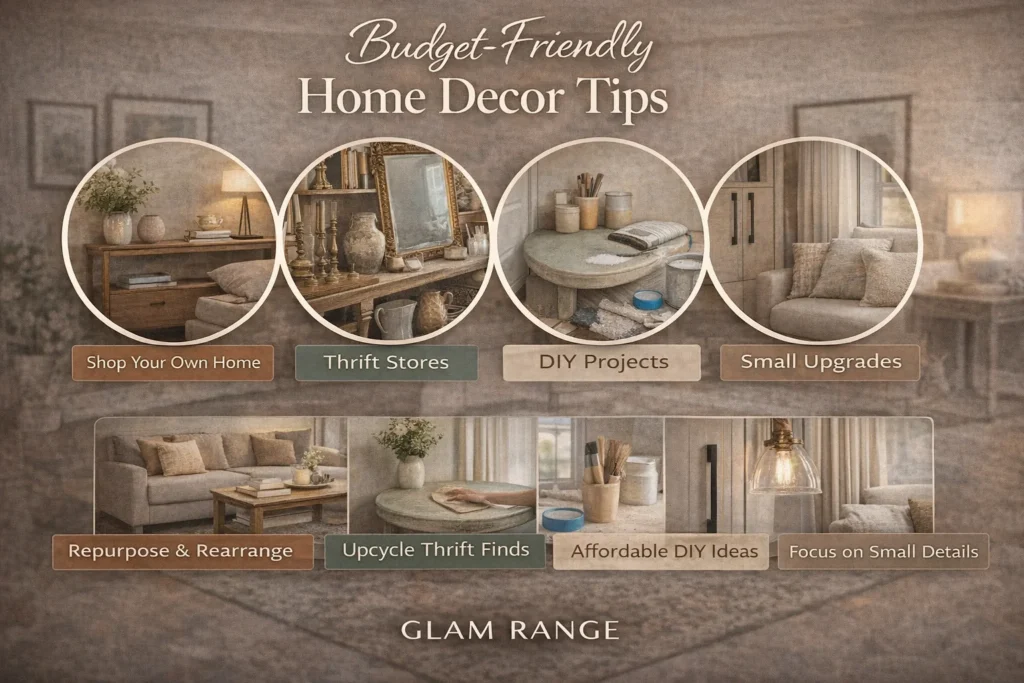
Let’s be honest home decor can get expensive fast. One minute you’re buying a lamp, the next you’re calculating how much a full room makeover costs. But here’s the truth: great design isn’t about how much you spend. It’s about how creatively you think.
Start by shopping your own home. Yes, really. Move decor pieces from one room to another. That vase sitting in your hallway might look stunning on your dining table. Rearranging furniture alone can completely transform a space without spending a dime.
Thrift stores and flea markets are treasure chests. Unique vintage pieces often have more character than mass-produced items. A pre-loved wooden chair with a little sanding and fresh paint can become a statement piece.
DIY projects are another powerful option. Consider:
- Painting old furniture
- Creating your own wall art
- Installing peel-and-stick wallpaper
- Making custom cushion covers
Paint, by the way, is one of the cheapest yet most dramatic upgrades. A fresh coat on the walls or even just an accent wall can redefine a room’s personality instantly.
Focus on high-impact areas. Instead of replacing everything, update small details:
- Cabinet handles
- Light fixtures
- Curtains
- Throw pillows
These minor upgrades pack a surprising punch.
Set a budget before you start. When you have financial boundaries, creativity expands. Constraints force you to think differently and often better.
Remember, style isn’t about price tags. It’s about intention. Some of the most beautiful homes aren’t the most expensive they’re the most thoughtfully curated.
Sustainable and Eco-Friendly Home Decor
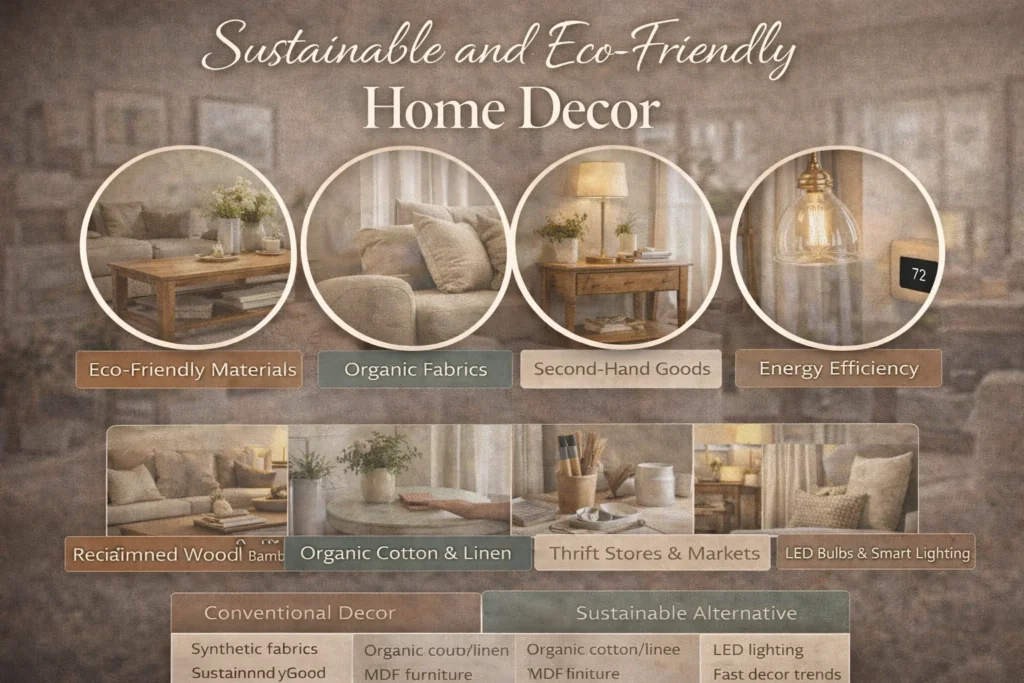
Sustainability isn’t just a buzzword anymore it’s a responsibility. And the good news? Eco-friendly home decor can be just as stylish as conventional design, sometimes even more so.
Start with materials. Choose furniture made from reclaimed wood, bamboo, or responsibly sourced timber. These materials not only reduce environmental impact but also bring natural warmth into your home.
Opt for organic fabrics like cotton, linen, or hemp for curtains and upholstery. Synthetic materials may look appealing, but they often come with environmental costs. Natural textiles age beautifully and feel better to the touch.
Second-hand shopping isn’t just budget-friendly it’s sustainable. Every piece you reuse keeps something out of a landfill. Vintage furniture often boasts superior craftsmanship compared to modern fast furniture.
Energy-efficient lighting is another simple shift. LED bulbs consume less power and last longer. Combine them with smart lighting systems to reduce unnecessary energy use.
Indoor plants also play a subtle but important role. They improve air quality and add life to your decor. Think of them as nature’s design accessory beautiful and functional.
Here’s a quick comparison:
| Conventional Decor | Sustainable Alternative |
|---|---|
| Synthetic fabrics | Organic cotton/linen |
| MDF furniture | Reclaimed wood |
| Incandescent bulbs | LED lighting |
| Fast decor trends | Timeless, durable pieces |
Sustainable decor encourages mindful purchasing. Instead of asking, “Is this trendy?” ask, “Will this last?” Longevity is the real mark of good design.
Decorating sustainably doesn’t mean sacrificing beauty. It means designing a home that feels good and does good.
DIY Home Decor Projects
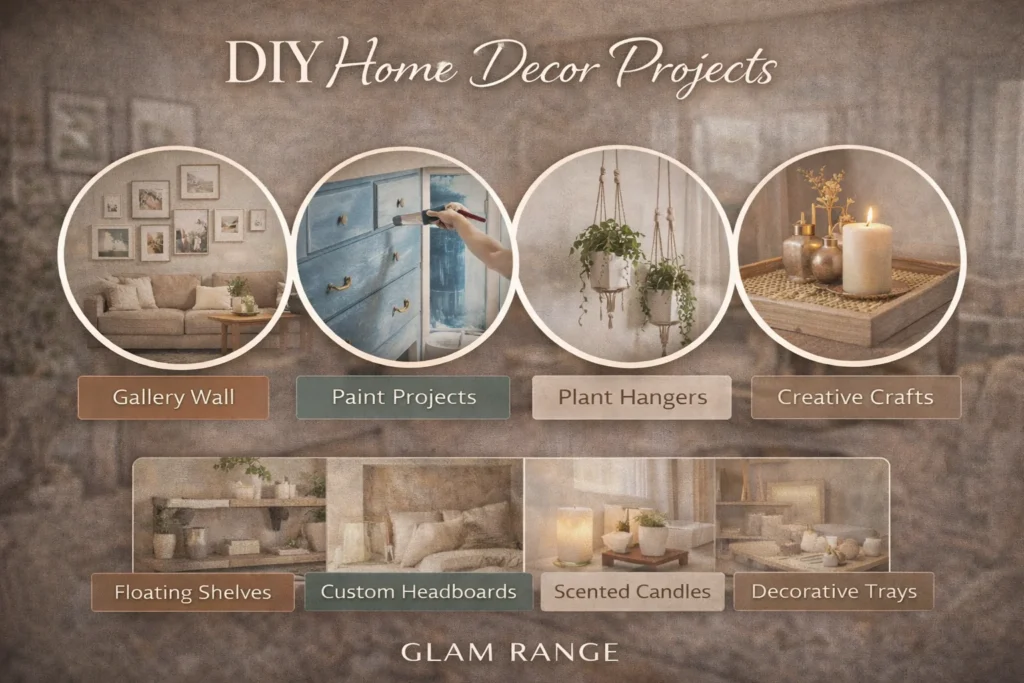
There’s something deeply satisfying about creating decor with your own hands. DIY home decor adds personality that no store-bought item can replicate. It’s imperfect in the best way like a handwritten letter in a world of typed messages.
Start small. Create a gallery wall using printed photos and affordable frames. Arrange them on the floor first to experiment with layout before hanging.
Paint projects are beginner-friendly. Refresh an old dresser with a bold color. Try two-tone cabinets. Or stencil patterns onto a plain wall for a custom look.
Love plants? Create hanging planters using rope and simple pots. It adds vertical interest and keeps surfaces clutter-free.
Other creative ideas include:
- Building floating shelves
- Designing a custom headboard
- Making scented candles
- Crafting decorative trays
DIY decor allows you to tailor pieces exactly to your space. You control the size, color, and finish.
It’s also therapeutic. Working with your hands slows your mind. You become more connected to your home because you’ve physically shaped it.
And here’s the bonus: DIY projects often cost significantly less than buying ready-made pieces.
When you look around your home and see items you created, it feels different. It feels personal. It feels earned.
Common Home Decor Mistakes to Avoid
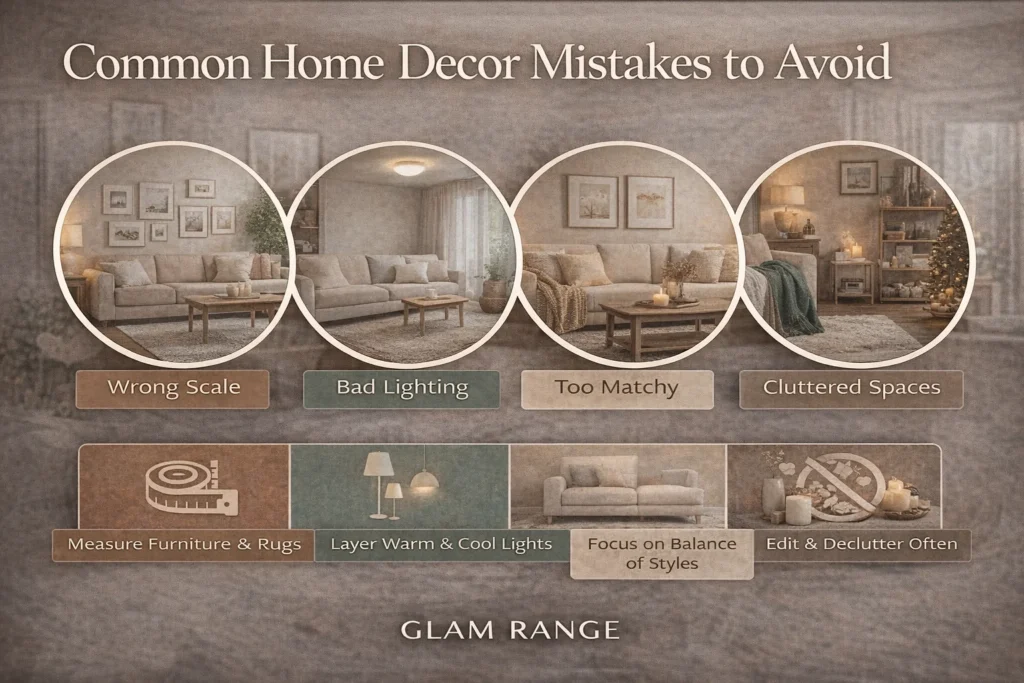
Even the most enthusiastic decorators make mistakes. The key is recognizing them before they derail your space.
One of the biggest mistakes? Ignoring scale. Oversized furniture in a small room makes it feel cramped. Tiny rugs in large rooms look awkward and disconnected. Measure everything. Twice.
Another common issue is poor lighting. Relying on one ceiling fixture creates flat, harsh illumination. Layer your lighting instead.
Matching everything too perfectly can also backfire. A room that looks like a showroom often feels sterile. Mix textures and materials for a lived-in feel.
Clutter is another silent killer of good decor. Too many decorative items overwhelm the eye. Edit regularly. If something doesn’t serve a purpose or spark joy, reconsider its place.
Following trends blindly is risky. Trends fade. Your personal style lasts longer. Use trends as accents, not foundations.
Finally, pushing all furniture against the walls can make rooms feel disconnected. Floating furniture even slightly creates intimacy and better flow.
Avoiding these mistakes doesn’t require professional training. It requires mindfulness. Step back, observe your space objectively, and adjust accordingly.
Good decor isn’t about perfection. It’s about balance.
Conclusion
Home decor is more than arranging furniture or picking pretty colors. It’s about crafting an environment that supports your life, reflects your personality, and evolves with you over time. Every choice from lighting to rugs, from wall art to seasonal accents contributes to the atmosphere you experience daily.
When you approach home decor thoughtfully, it stops feeling overwhelming and starts feeling empowering. You realize that you don’t need unlimited money or professional training. You need clarity, creativity, and intention.
Your home should tell your story without you saying a word. It should welcome you at the end of a long day and make guests feel instantly comfortable. It should adapt to seasons, grow with your lifestyle, and remain timeless despite shifting trends.
Decorating isn’t a one-time project. It’s a journey. Layer by layer, choice by choice, you build a space that feels authentically yours.
And when you finally sit back on your sofa, glance around, and feel that quiet sense of pride that’s when you know you’ve truly transformed your house into a home.
FAQs
Start by identifying what naturally attracts you whether through clothing, saved inspiration photos, or favorite colors. Look for patterns in your preferences and build from there.
Rearranging furniture, adding new throw pillows, updating lighting, or painting an accent wall can dramatically refresh a space on a small budget.
Lighting is crucial. It affects mood, functionality, and the overall perception of your decor. Layered lighting creates depth and warmth.
Absolutely. Use multi-functional furniture, light colors, mirrors, and vertical storage to maximize space without cluttering it.
Choose durable materials, buy second-hand items, opt for energy-efficient lighting, and prioritize timeless designs over fast trends.